Dexion supports customers worldwide in upgrading storage, improving layouts, and introducing semi-automation during live operations. We follow six clear steps based on industry guidance and best practice.
Step 1: Assess how your warehouse works today
Start every retrofit by assessing your warehouse. Review the building, stock, order patterns, equipment, and working practices.
Areas to review include:
- Storage: pallet or shelving systems, picking locations (designated spots for collecting goods), utilisation (how much space is used), and damage.
- Flows: goods in (receiving), put away (storing received items), replenishment (restocking pick locations), picking, packing, dispatch (shipping out).
- Bottlenecks: congestion points (areas of frequent blockage), waiting times, and double handling (unnecessary repeated movement of goods).
- Safety: racking condition, traffic routes for vehicles and people, pedestrian segregation (separation of workers from machinery), and incident history.
Site surveys and data analysis help measure where space is wasted or where processes hold you back. At this stage, we typically conduct a detailed review of racking and layout. We combine on-site inspections with data such as daily order lines, SKU profiles, and growth forecasts.
Step 2: Put safety and compliance first
A retrofit is ideal for bringing your warehouse into line with current safety guidance and addressing long-standing risks. Across Europe, there is a strong focus on the safe use of industrial racking (the frameworks used to store materials in warehouses), traffic management (the organisation and control of vehicle and pedestrian movement), and ergonomic working conditions (the design of workspaces to fit workers’ needs and reduce strain). This focus is supported by international standards such as EN 15635, which covers the application and maintenance of steel static storage systems, a type of racking that remains fixed in one place. Related guidance is also important.
Key safety priorities typically include:
- Ensuring racking is designed, installed and used in line with manufacturer guidance and relevant standards.
- Introducing regular racking inspections, including in-house visual checks and periodic expert inspections.
- Improving segregation between lift trucks and pedestrians through marked routes, barriers and one-way systems where appropriate.
- Upgrading load signage, damage protection and training for those who work with or near storage equipment.
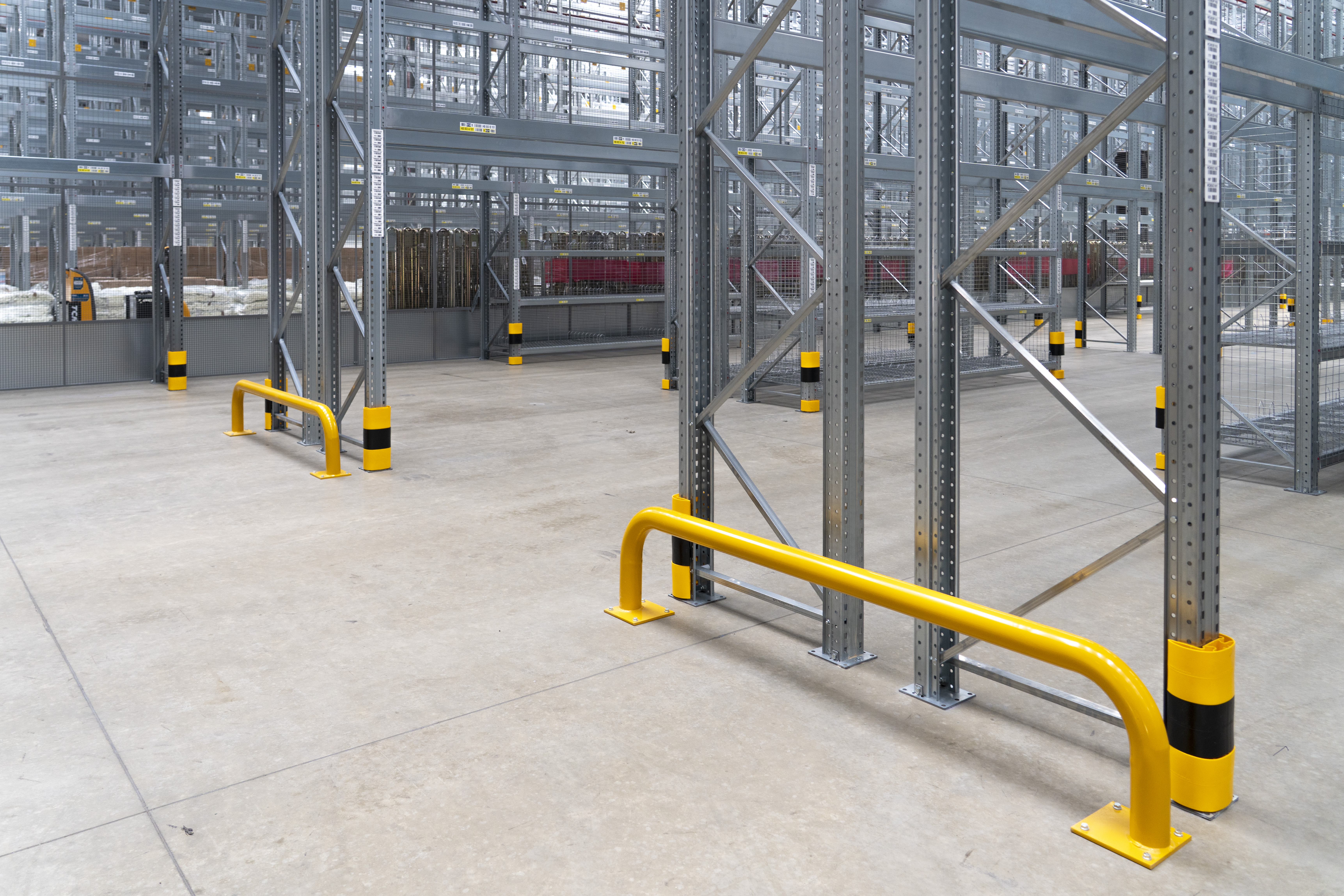
We follow strict guidance from governing bodies when designing and installing racking systems. We can help establish inspection and maintenance regimes that keep your upgraded warehouse safe and compliant in the long term.
Step 3: Redesign layout and storage to match your stock
Once safety foundations are in place, redesign storage to match what you store and how it moves. Many old warehouses were designed for a different product mix or order profile. Over time, this leads to poor space utilisation and increased travel.
Common improvements include:
- Re-zoning stock to ensure fast-moving items are close to dispatch, with slower movers further away.
- Introducing high-density solutions such as drive-in (racking accessible by forklifts driving inside the structure) or mobile racking (racking units that move on rails), both suitable for slower-moving pallets, freeing space for fast movers and value-added areas.
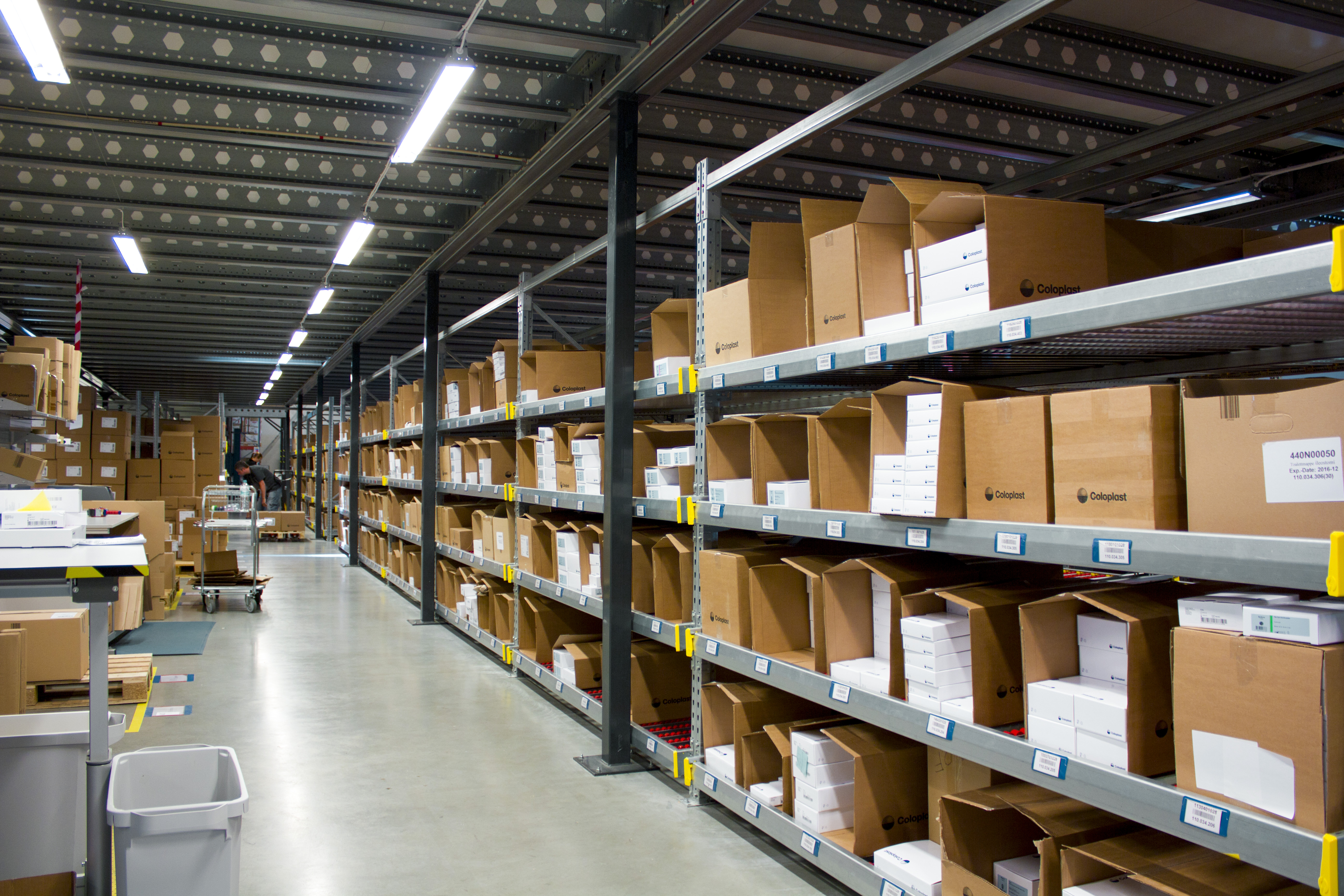
- Combining pallet racking with carton flow, shelving or multi-tier picking structures for small items.
- Adjusting aisle widths (distance between storage rows), beam levels (shelf heights), and bay configurations (arrangement of storage sections) to match your handling equipment and load sizes.
Optimising space can significantly increase pallet or pick face capacity without expanding the building. It also reduces travel time and energy. We design tailored solutions with various racking and shelving systems to support both pallet and piece picking.
Step 4: Upgrade racking and equipment carefully in a live warehouse
Retrofitting in operational facilities requires methodical, phased planning. Racking, flooring, and equipment upgrades must be scheduled to maintain safe operations and service.
Good practice during this step includes:
- Developing a phased installation plan that clearly shows which areas will be taken out of use and when.
- Using temporary storage or buffer areas to maintain capacity while sections are modified.
- Scheduling the most disruptive works during off-peak periods or shutdowns where possible.
- Communicating clearly with your warehouse team about changes, restricted zones and new procedures.
Experienced partners and project managers help reduce risks and downtime. This is especially important when existing racking needs to be dismantled, relocated, or reconfigured. As a racking specialist, we plan retrofits so that each phase is delivered safely and on time. We provide a clear sign-off at every stage to make the process as easy as possible for you.
Step 5: Introduce appropriate automation and digital tools
Modernisation does not always have to mean full automation. The right technologies can make your upgraded warehouse more efficient, accurate, and resilient. Usually, the best starting point is to stabilise processes and layout. Then add digital tools and automation where they add clear value.
Examples include:
- Warehouse management systems (WMS: software to manage, track, and optimise warehouse activities) that optimise location usage, picking paths (routes workers follow), and replenishment.
- Scan-based or voice-directed picking (systems guiding workers via scanners or voice instructions) to improve accuracy and productivity.
- Conveyor or sortation systems (equipment that moves and sorts goods automatically) connecting picking, packing and dispatch areas.
- Shuttle systems or automated storage and retrieval (machines that move goods into and out of high-density storage) for high volume, repeatable flows.
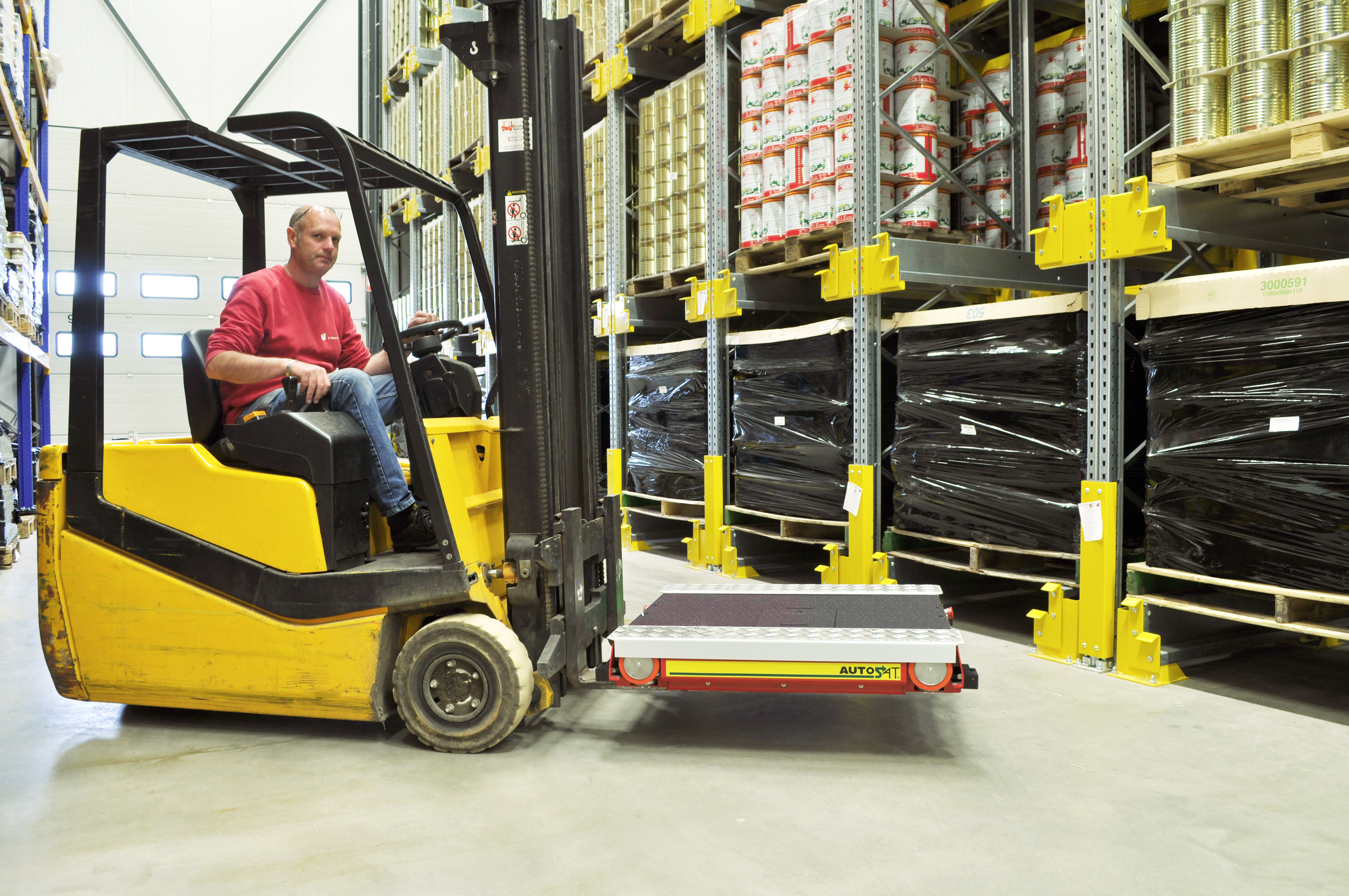
Even modest changes, such as better integration between your WMS and material handling equipment, can reduce errors and manual handling. Get in touch with our team for advice on the best storage systems for your chosen technologies. We ensure racking, protection, and layouts are designed with automation in mind.
Step 6: Improve energy performance and future-proofing
Energy costs and sustainability commitments mean every retrofit must consider how your warehouse uses energy. Modernisation projects are a good opportunity to reduce consumption and cut carbon. They can also create a better working environment.
Common measures include:
- Upgrading to LED lighting with smart controls (energy-saving lighting with automated management) to reduce electricity use in aisles and high bay areas.
- Improving building insulation (materials to reduce heat loss) and dealing with air leakage around doors and docks (loading/unloading areas).
- Installing more effective handling equipment and considering electric or low-emission alternatives (equipment producing less pollution).
- Exploring rooftop solar or other renewable options where the site allows.
Studies show that investing in more energy-efficient warehouse infrastructure can reduce operating costs. It also supports staff wellbeing and contributes to wider corporate eco-friendly targets. Choose a solution and layout that works with both natural and artificial light. This helps you plan upgrades that support operational and environmental objectives.
Working with Dexion on your retrofit
A warehouse retrofit is a chance to unlock more value from the building you already have. By using these six steps, you can increase capacity, improve safety, support your teams, and reduce energy use, all while keeping your operation running.
We bring together expertise in designing storage solutions for businesses of all sizes, including installation, safety, and project delivery. We work alongside your operations, health and safety and facilities teams to create a practical, phased retrofit plan tailored to your business. If you are considering modernising your existing warehouse, our team is ready to help you define the next steps and turn your vision into a safer, smarter, and more efficient reality.