The biggest question in 2026 is simple: how can warehouse and logistics operations remain flexible enough to adapt to whatever lies on the horizon without overcommitting capital or creating new risks?
Key challenges on the horizon
More semi-automation, smaller spaces
Many sites are adding shuttles, miniloads, conveyors, and robots into buildings that were not initially designed for them. The challenge is how to increase throughput and storage density without compromising safety or sustainability.
Cost and resilience pressure
Energy costs, transport volatility, and shifting trade routes are pushing operators to hold the right stock, in the right place, at the right time. This requires infrastructure that can adapt as networks evolve.
Skill shortages
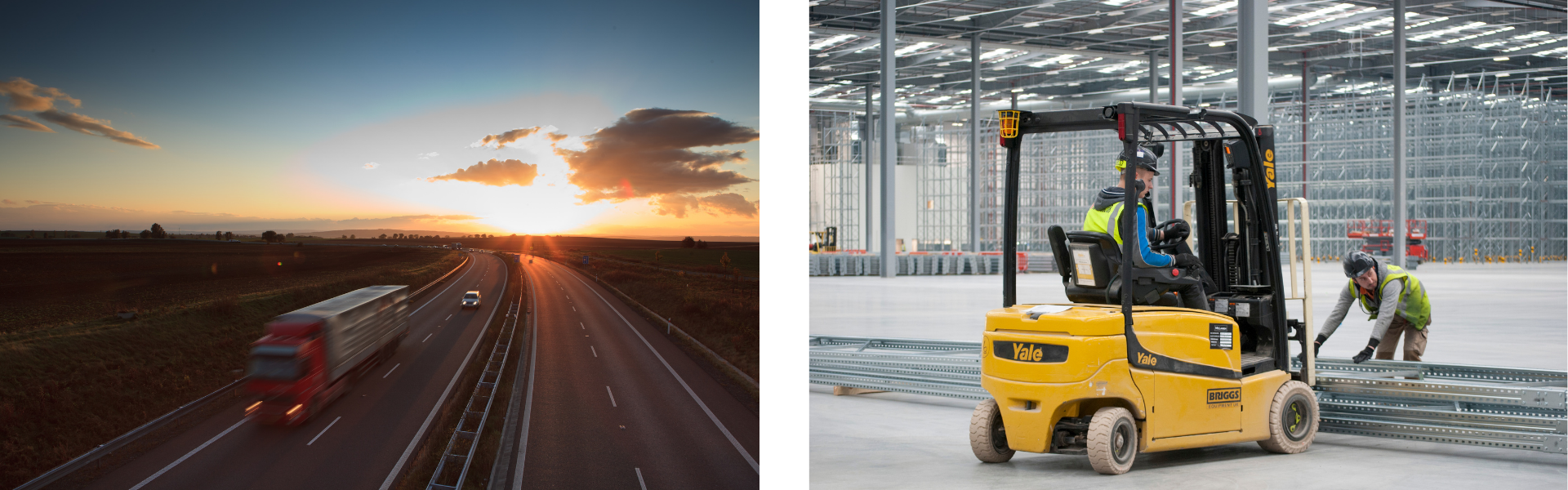
Turnover in warehousing regularly exceeds 40% in some regions, which is why more sites are combining automation with ergonomic layouts to reduce strain and speed up training. There is a growing focus on ergonomic, intuitive environments that help people work safely alongside mechanical systems.
Sustainability expectations
Retrofitting existing facilities instead of building new ones can significantly cut construction‑related CO₂, especially when reusing steel structures and updating lighting and insulation. ESG requirements and consumer expectations are raising the bar on reliability and durability - material use, and the impact of the products lifecycle. Short term fixes that create vast amounts of long-term waste are becoming harder to justify.
How your business can be better prepared
If you are looking to enter the new year better prepared for shifting demand, new projects and meeting tighter sustainability goals consider following these priorities:
1. Start with the structure, not the software.
Instead of assuming you need a new building, you can unlock more capacity in the one you already have. By reinforcing key areas, adding platforms, or reconfiguring racking, many sites gain extra storage and higher throughput without the cost and disruption of a full rebuild. This keeps capital free for other priorities.
2. Make automation projects safer and less risky
If you are planning to add shuttles, miniload systems, or robots, the strength and layout of your steel structures will decide how smoothly that rollout goes. A checked and upgraded structure reduces the risk of delays, redesigns, and safety issues so your automation investment delivers value faster.
3. Stay flexible when demand changes
Markets shift. New customers arrive, product ranges expand, and peak periods grow longer. Modular, expandable steel systems give you options: you can add aisles, levels, or automation zones step by step instead of committing to a single, oversized solution that may not fit your needs in a few years.
4. Reduce downtime and hidden costs
Unplanned repairs, damaged racking, and layout changes all cost time and money. Investing in durable, well‑engineered structures cut the number of surprises and makes future adjustments easier. Over time, this means fewer interruptions and a more predictable operation.
5. Support your people, not just your machines
Well-designed racking, platforms and walkways make everyday work safer and clearer for your team. Good visibility, sensible access, and ergonomic design reduce strain and help new staff get up to speed quickly, especially important when labour is hard to find.
6. Strengthen your sustainability story
Using long-lasting steel structures, modernising rather than rebuilding where possible, and planning for a long service life all reduce waste. This supports your environmental goals and can make conversations with customers and auditors easier.
What you receive from GMH and its brands
This is where specialist steel and racking partners truly matter. When you choose to work with Gonvarri Material Handling and its brands such as Dexion, Constructor, Kasten or Kredit, you're not just buying racking.
A clear picture of what your site can handle
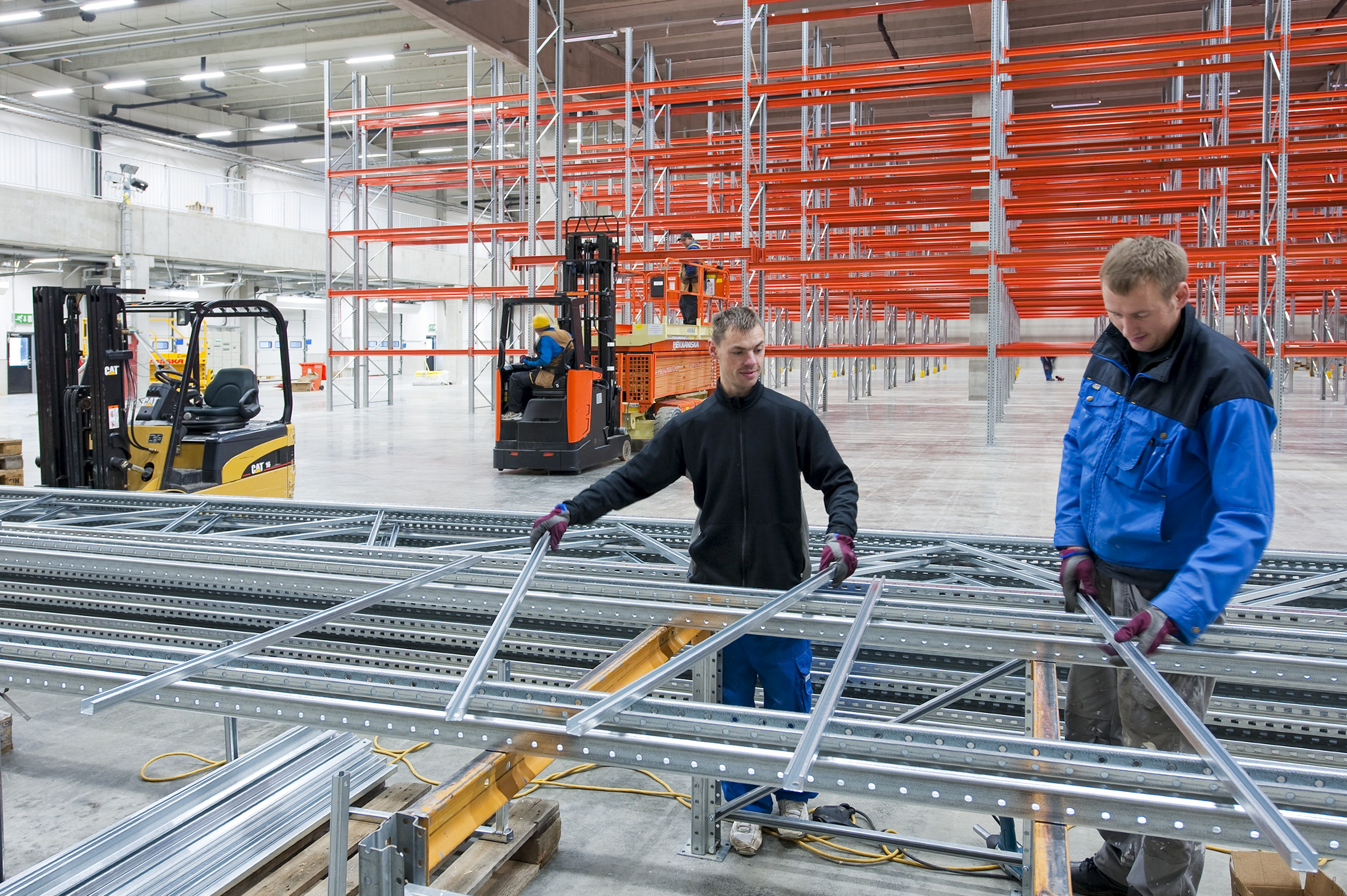
Engineering teams assess your current structures, loads and plans so you know where your risks and opportunities are.
A tailored upgrade plan
Instead of a generic solution, you receive specific proposals for reinforcement, extensions, and new steelwork that match your automation and capacity goals. Plans are designed so you can add aisles, levels, or automation zones later, instead of locking into a single one‑off project.
Structures ready for your chosen tech
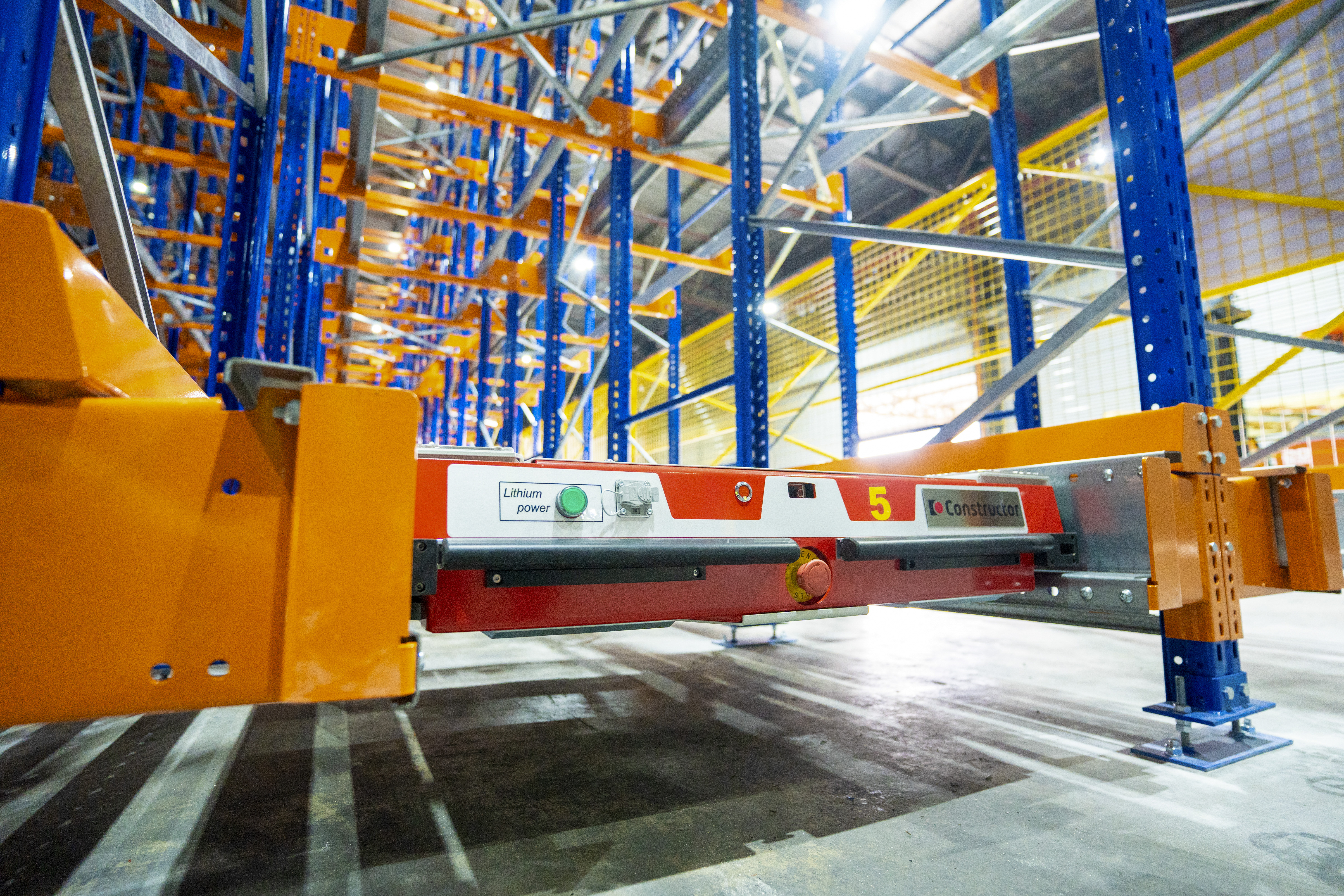
Whether you are working with system integrators on shuttles, miniloads or robotic solutions, the steel is designed to fit and support their equipment, making projects smoother for everyone involved.
Support over the life of your system
As your needs change, the same partners can help you expand, adapt or further reinforce your structures, so your warehouse keeps pace with your business.
A more prepared position for 2026
By focusing on what your business receives, more capacity, less risk and better use of space create a safer working environment. You put your warehouse in a stronger position for 2026 and beyond. Strong, flexible steel infrastructure cannot remove volatility, but it does mean that when demand shifts or new automation becomes viable, your warehouse is ready to move instead of standing still.